
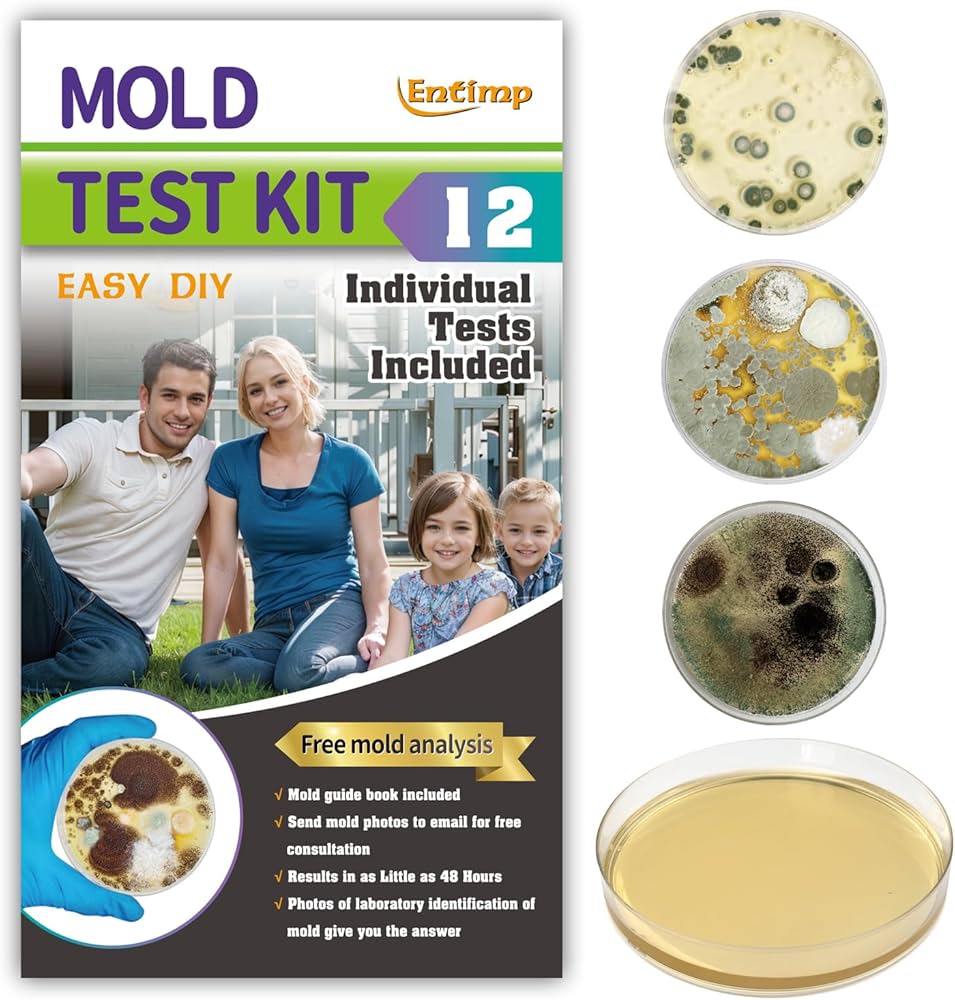
Discover the key to a healthier home with our comprehensive guide to mold detection. Learn effective strategies and tools to identify and address mold issues in your living space. Stay informed and protect your health with Mold Solutions Guide.
Signs of Mold Presence: How to Detect Mold in Your Home
Signs of Mold Presence: How to Detect Mold in Your Home
Mold presence can often be detected by sight or smell. Look out for visible mold growth on walls, ceilings, or other surfaces. Additionally, musty odors may indicate the presence of mold. Keep an eye out for any water leaks or water damage in your home, as mold thrives in damp environments. If you suspect mold but cannot see it, consider hiring a professional to conduct a mold inspection. Remember that early detection and remediation are key to preventing mold-related issues in your home.
Frequently Asked Questions
What are the common methods for detecting mold in a residential environment?
The common methods for detecting mold in a residential environment include visual inspection, air sampling, surface sampling, and moisture meters.
How often should mold inspections be conducted to ensure early detection?
Mold inspections should be conducted regularly to ensure early detection.
Are there any specific signs or symptoms that indicate the presence of mold in a home?
Visible mold growth, musty odors, water stains, and respiratory symptoms are specific signs that indicate the presence of mold in a home.
In conclusion, mold detection is a crucial step in ensuring a healthy indoor environment. By utilizing professional mold testing services or DIY mold detection kits, homeowners can identify and address mold issues promptly. Remember, early mold detection can prevent extensive damage and potential health risks. Stay proactive and vigilant in monitoring your indoor spaces for any signs of mold growth. Your health and well-being depend on it!
