
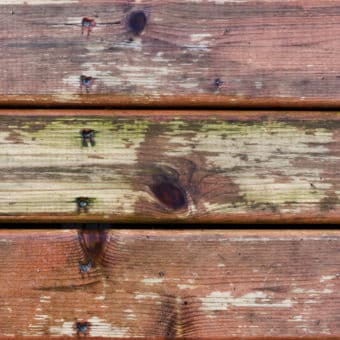
Are you struggling with mold on your wood surfaces? Learn effective removal techniques and prevention strategies in our latest Mold Solutions Guide article. Say goodbye to mold and hello to a clean, healthy home!
Effective Techniques to Remove Mold from Wood
Effective Techniques to Remove Mold from Wood
One effective technique to remove mold from wood is to use a mixture of water and detergent. Simply mix water and detergent in a spray bottle, then spray the solution onto the affected wood surface and scrub with a brush. Rinse the area thoroughly and allow it to dry completely.
Vinegar is another powerful tool for mold removal on wood. Apply undiluted vinegar onto the moldy wood surface using a spray bottle or cloth. Let the vinegar sit for an hour before scrubbing the area with a brush. Wipe the surface clean with water and allow it to dry.
Baking soda can also be used to remove mold from wood. Mix baking soda with water to create a paste, then apply it to the moldy wood surface. Scrub the area gently with a brush and rinse it off with water. Repeat the process if necessary.
For stubborn mold infestations, consider using a commercial mold remover specifically designed for wood surfaces. Follow the manufacturer’s instructions carefully when using these products to ensure effective mold removal without damaging the wood.
Prevention is key in avoiding mold growth on wood surfaces. Keep your home well-ventilated, fix any leaks promptly, and maintain optimal humidity levels to prevent mold from thriving on wood surfaces.
Frequently Asked Questions
What are the best methods for removing mold from wood surfaces?
The best methods for removing mold from wood surfaces typically involve using a combination of commercial mold removal products and natural remedies such as vinegar or hydrogen peroxide. Additionally, sanding or scraping the affected area may be necessary to fully eliminate the mold. It’s important to wear proper protective gear and ensure thorough drying of the wood surface to prevent future mold growth.
Is it possible to remove mold from wood without damaging the material?
Yes, it is possible to remove mold from wood without damaging the material using appropriate mold removal techniques and products designed for wood surfaces.
How can I prevent mold from coming back on wood surfaces after removal?
Properly ventilate the area, reduce moisture levels, and apply a mold-resistant sealant to prevent mold from coming back on wood surfaces after removal.
Are there any specific products or solutions recommended for removing mold from wood?
Yes, there are specific products and solutions recommended for removing mold from wood, such as mold remediation cleaners and biocides. It is important to follow the manufacturer’s instructions carefully when using these products.
What safety precautions should be taken when dealing with mold on wood surfaces?
When dealing with mold on wood surfaces, it is important to wear protective gear such as gloves, goggles, and a mask to prevent exposure to mold spores. Additionally, ensure proper ventilation in the area and contain the mold to prevent it from spreading to other areas.
In conclusion, when dealing with mold on wood, it is essential to act promptly and effectively. By following the steps outlined in this guide, you can successfully remove mold and prevent its recurrence. Remember to prioritize safety and thoroughness in your cleaning process, and consider seeking professional assistance for severe cases. With diligence and proper techniques, you can restore your wood surfaces to a clean and mold-free state.
