
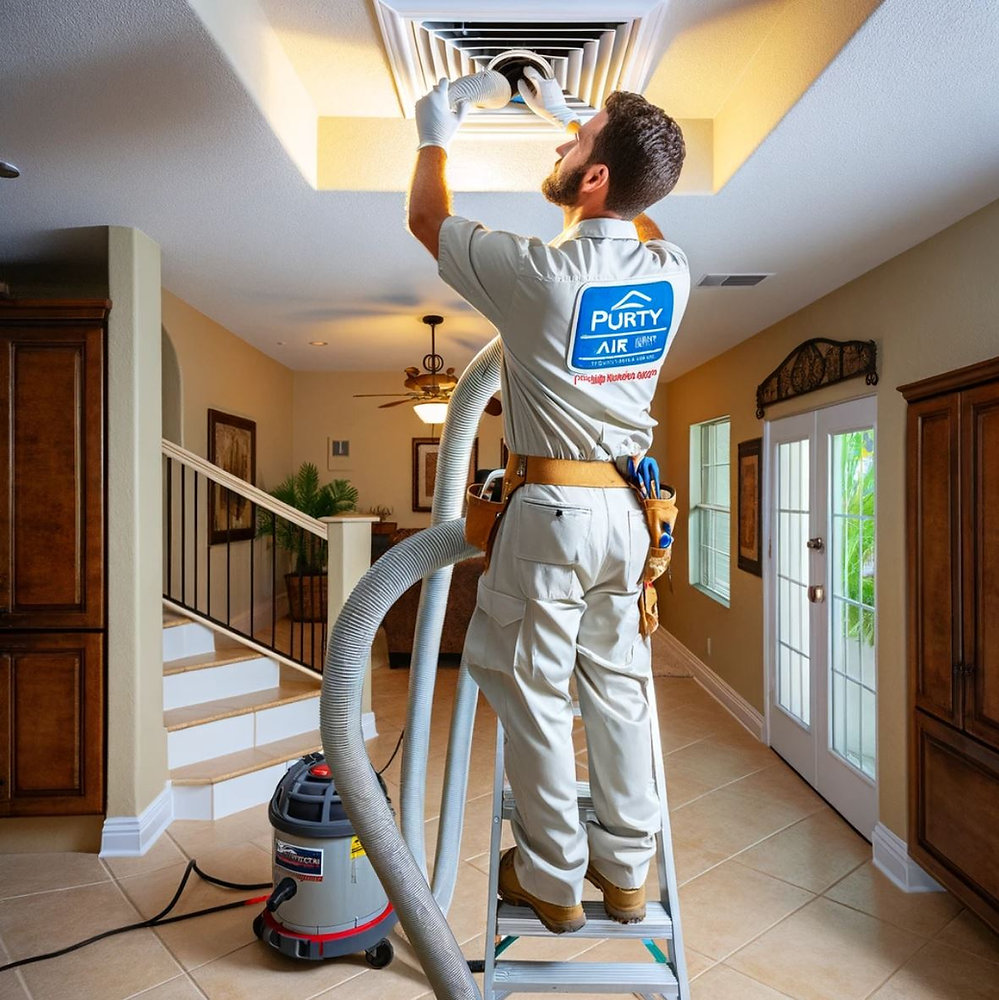
Air duct mold removal is a crucial step in maintaining a healthy indoor environment. Discover expert tips and effective solutions in this comprehensive guide on Mold Solutions Guide.
Getting Rid of Air Duct Mold: A Comprehensive Guide
Getting Rid of Air Duct Mold: A Comprehensive Guide
If you suspect mold growth in your air ducts, it is crucial to take immediate action to address it. Here is a comprehensive guide to help you effectively eliminate air duct mold in your home:
1. Identify the Problem: Start by inspecting your air ducts for any signs of mold growth, such as musty odors or visible mold.
2. Assess the Extent of Contamination: Determine the severity of the mold infestation to decide whether you can handle the remediation on your own or if professional help is needed.
3. Gather the Necessary Tools and Equipment: You will need protective gear, cleaning solutions, a vacuum cleaner with a HEPA filter, and other tools to effectively clean the mold from your air ducts.
4. Isolate the Affected Area: Seal off the area around the air ducts to prevent the spread of mold spores to other parts of your home.
5. Clean and Disinfect: Thoroughly clean the air ducts using appropriate cleaning solutions to remove all traces of mold and disinfect the area.
6. Prevent Future Growth: Take steps to prevent mold from returning to your air ducts by addressing any underlying moisture issues and ensuring proper ventilation.
By following this comprehensive guide, you can effectively get rid of air duct mold and improve the air quality in your home. Remember, if the mold infestation is extensive or persistent, it’s best to seek professional help for mold remediation.
Frequently Asked Questions
What are the potential health risks associated with mold in air ducts?
The potential health risks associated with mold in air ducts include respiratory issues, allergic reactions, and exacerbation of asthma symptoms. Mold spores released into the air can be inhaled, leading to these health problems. Regular inspection and cleaning of air ducts are crucial to prevent these risks.
How can I identify if there is mold growth in my air ducts?
You can identify mold growth in your air ducts by looking for visible signs such as discoloration, musty odors, or excessive dust buildup. Additionally, if you or others in the household are experiencing allergies or respiratory issues, it could indicate the presence of mold in the air ducts. Hiring a professional for mold testing and inspection is recommended for accurate identification.
What are the common methods used for removing mold from air ducts?
The common methods used for removing mold from air ducts include professional cleaning using specialized equipment such as HEPA vacuums and brushes, application of antimicrobial solutions, and sealing or encapsulation of affected areas to prevent future mold growth.
Is it necessary to hire a professional service for air duct mold removal?
Yes, it is necessary to hire a professional service for air duct mold removal in the context of Mold Solutions Guide.
How can I prevent mold from returning to my air ducts after removal?
To prevent mold from returning to your air ducts after removal, it is important to address any moisture issues, ensure proper ventilation, and regularly clean and maintain your HVAC system.
In conclusion, properly addressing air duct mold is crucial for maintaining a healthy indoor environment. By following the recommended steps for removal and prevention outlined in this Mold Solutions Guide, homeowners can effectively combat mold growth in their air ducts. Remember, regular maintenance and inspection are key to preventing future mold issues. Stay proactive and prioritize your indoor air quality to ensure a safe and comfortable living space for you and your loved ones.
