
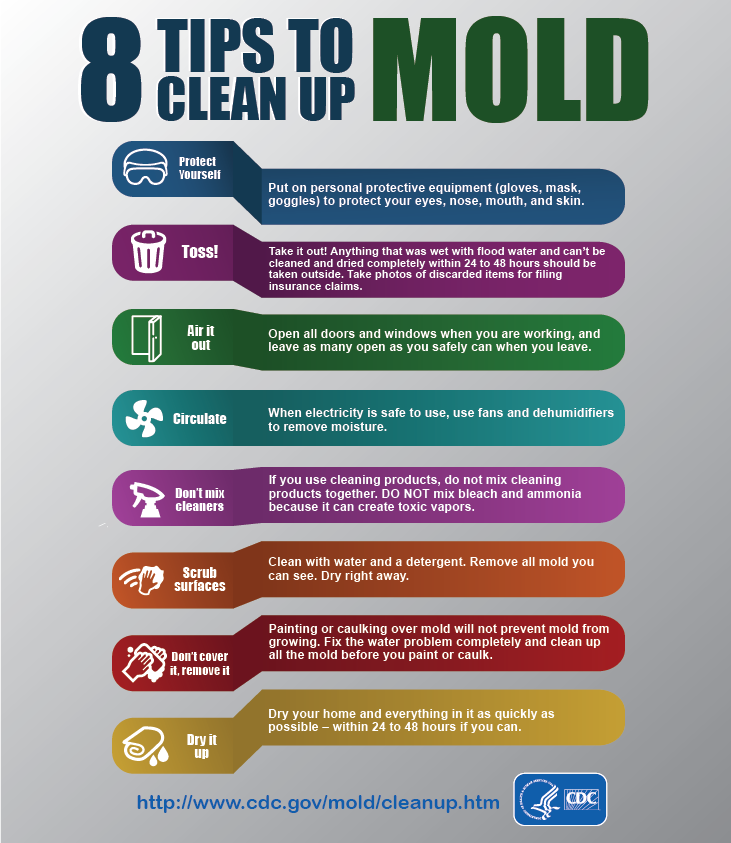
Flood damage can lead to serious mold growth in homes. In this article, we will explore the connection between flood damage and mold, as well as provide solutions to address and prevent this issue.
Identifying and Addressing Mold Growth After Flood Damage
Identifying and Addressing Mold Growth After Flood Damage
After flood damage, it is crucial to thoroughly inspect your property for any signs of mold growth. Mold can start to develop within 24-48 hours after water exposure, so acting quickly is essential. Look for visible mold, musty odors, or any areas that remain damp or wet.
If you identify mold growth, it is important to address it immediately. Begin by removing any standing water and drying out the affected areas. Use dehumidifiers and fans to help speed up the drying process. Additionally, consider hiring a professional mold remediation company to properly remove and treat the mold.
Preventing future mold growth is also key. Make sure to fix any sources of water intrusion, such as leaking pipes or roofs, to prevent moisture buildup. Regularly inspecting your property for mold and addressing any issues promptly can help keep your home mold-free in the long run.
Frequently Asked Questions
What are the potential health risks associated with mold growth after flood damage?
Exposure to mold after flood damage can lead to respiratory issues, allergies, asthma exacerbation, and other health risks.
How can I prevent mold from growing in my home after experiencing flood damage?
To prevent mold from growing in your home after experiencing flood damage, make sure to thoroughly clean and dry the affected areas within 24-48 hours. Use fans, dehumidifiers, and consider hiring a professional mold remediation service.
Is professional mold remediation necessary after flood damage, or can I handle it myself?
Professional mold remediation is often necessary after flood damage to ensure proper removal of mold and prevent health hazards. It is recommended to seek the assistance of experts in handling contaminated areas.
How long does it take for mold to start growing after a flood?
Mold can start growing within 24 to 48 hours after a flood.
Are there any specific guidelines or regulations to follow when dealing with mold issues post-flood?
Yes, there are specific guidelines and regulations to follow when dealing with mold issues post-flood.
In conclusion, flood damage and mold can have serious consequences for both the structure of your home and the health of its occupants. It is crucial to address any water intrusion promptly and thoroughly to prevent mold growth and mitigate its effects. By following the guidelines and recommendations provided in our Mold Solutions Guide, you can protect your property and ensure a healthy indoor environment for you and your family. Remember, early detection and proper remediation are key to dealing with mold issues effectively. Stay informed, stay proactive, and safeguard your home against the damaging effects of mold contamination.
