
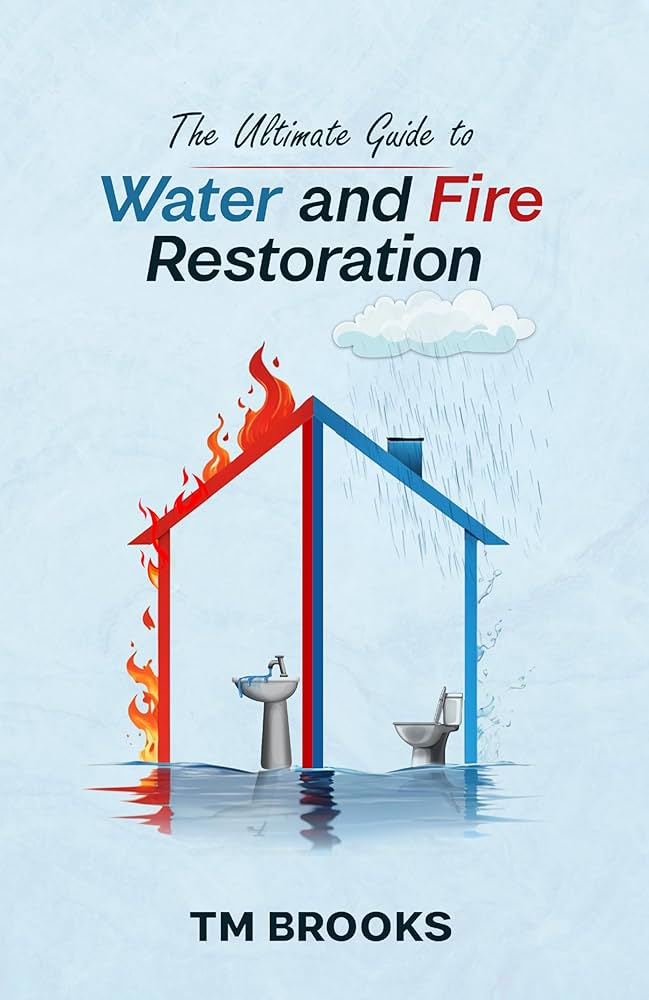
Restore your property after fire and water damage with our comprehensive guide on Mold Solutions. Discover expert solutions to effectively tackle restoration challenges.
Mitigating Fire and Water Damage for Mold Prevention
Mitigating Fire and Water Damage for Mold Prevention is crucial in the context of Mold Solutions Guide. By effectively addressing fire and water damage, you can significantly reduce the risk of mold growth in your home or building. Implementing proper strategies to prevent and mitigate these types of damages can ultimately contribute to a healthier indoor environment and minimize the chances of encountering mold-related issues.
Frequently Asked Questions
What are the common causes of fire and water damage in relation to mold growth?
Common causes of fire and water damage can lead to mold growth if not addressed promptly. Water damage can result from leaks, flooding, or high humidity levels, creating the ideal environment for mold to thrive. Meanwhile, fire damage can introduce excess moisture into a property, promoting mold growth in affected areas. It is essential to address both fire and water damage quickly to prevent mold issues.
How can fire and water damage exacerbate mold problems in a property?
Fire damage can create moisture issues through the use of water to extinguish the flames, which can lead to mold growth. Additionally, water damage can provide the ideal conditions for mold to thrive, especially if not properly remediated. Combining these two factors can exacerbate mold problems in a property by creating a perfect storm for mold growth.
What steps should be taken to address both fire/water damage and mold issues concurrently?
The first step is to address fire/water damage by drying out the affected area and repairing any structural damage. Simultaneously, it is important to address mold issues by identifying and removing any existing mold growth to prevent further spread. Working with professionals who specialize in both fire/water damage restoration and mold remediation can help ensure that both issues are effectively addressed.
Are there specific prevention measures that can help minimize the risk of mold after fire and water damage restoration?
Yes, implementing proper ventilation, controlling humidity levels, and promptly addressing any water leaks or damage can help minimize the risk of mold after fire and water damage restoration.
How important is it to hire professionals with expertise in both fire/water damage restoration and mold remediation for a comprehensive solution?
It is crucial to hire professionals with expertise in both fire/water damage restoration and mold remediation for a comprehensive solution.
In conclusion, proper fire and water damage restoration is crucial for preventing mold growth and ensuring a safe indoor environment. By addressing these issues promptly and effectively, homeowners can mitigate the risk of mold contamination and protect their property from further damage. Remember, timely professional intervention is key in the restoration process to minimize long-term consequences. Stay informed, stay vigilant, and prioritize the health and safety of your living spaces. Mold Solutions Guide is here to guide you through every step of the way.
