
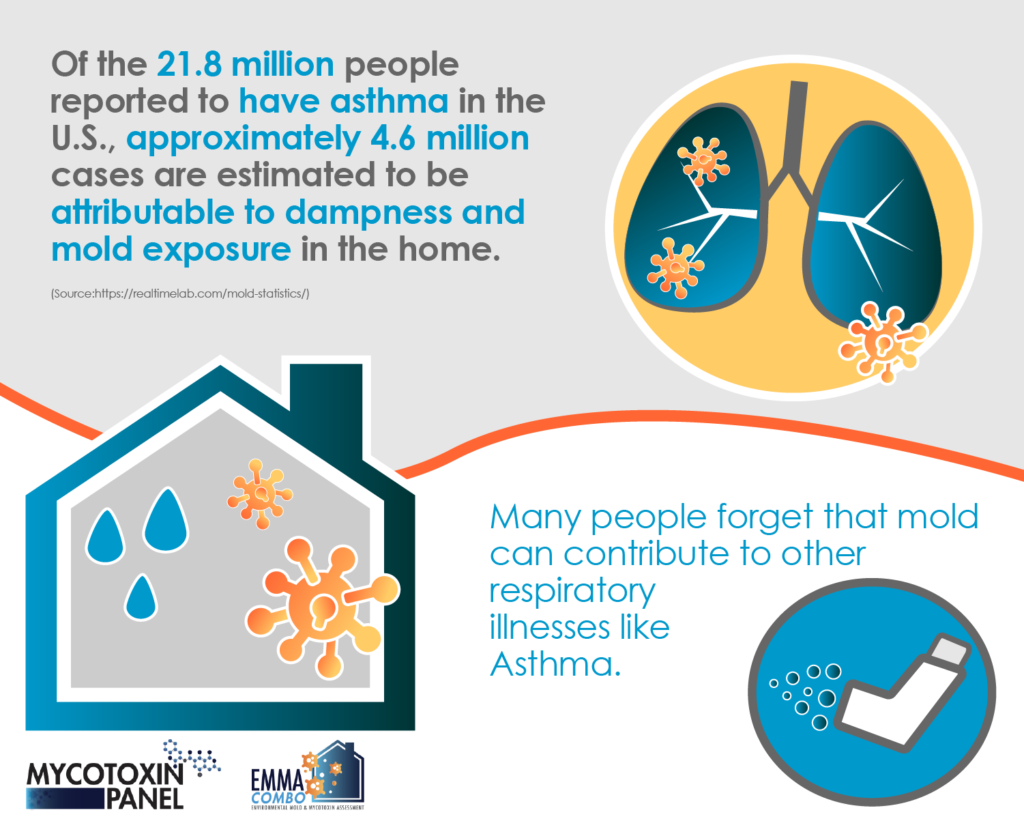
Do you know the impact of mold on our respiratory health? Learn about the connection between mold exposure and respiratory problems in our latest Mold Solutions Guide article. Discover how to identify, prevent, and eliminate mold for a healthier living environment.
Understanding the Link Between Mold Exposure and Respiratory Issues
Understanding the Link Between Mold Exposure and Respiratory Issues
Exposure to mold can lead to a variety of respiratory issues, particularly in individuals who are sensitive or allergic to mold spores. When mold spores are inhaled, they can trigger reactions in the respiratory system, causing symptoms such as coughing, wheezing, shortness of breath, and chest tightness.
Individuals with asthma or other respiratory conditions may experience exacerbated symptoms when exposed to mold. Mold exposure can also lead to the development of respiratory infections, sinusitis, and other respiratory issues.
It is important to address any mold problems in your environment promptly to reduce the risk of respiratory issues. This may involve identifying and eliminating sources of moisture that contribute to mold growth, as well as implementing proper ventilation and mold remediation strategies. Regularly monitoring indoor air quality and seeking professional help when needed can also help prevent respiratory issues associated with mold exposure.
Frequently Asked Questions
How does mold exposure contribute to respiratory problems?
Mold exposure contributes to respiratory problems by releasing spores and mycotoxins into the air, which can be inhaled and irritate the respiratory system. Mold can trigger allergies, asthma attacks, and respiratory infections in individuals with compromised immune systems. Effective mold solutions are necessary to improve indoor air quality and reduce the risk of respiratory issues.
What are the symptoms of respiratory issues caused by mold exposure?
The symptoms of respiratory issues caused by mold exposure include coughing, wheezing, shortness of breath, chest tightness, and throat irritation.
How can Mold Solutions Guide help in mitigating respiratory problems related to mold?
Mold Solutions Guide can provide information on effective mold removal techniques and preventative measures, which can help in mitigating respiratory problems related to mold.
In conclusion, it is crucial to address mold issues promptly in order to protect our respiratory health. Mold exposure can lead to serious respiratory problems, particularly for those with existing asthma or allergies. By implementing effective mold solutions, we can create a healthier indoor environment and reduce the risk of respiratory issues associated with mold. Remember, prevention is key when it comes to maintaining a safe and breathable living space.
