
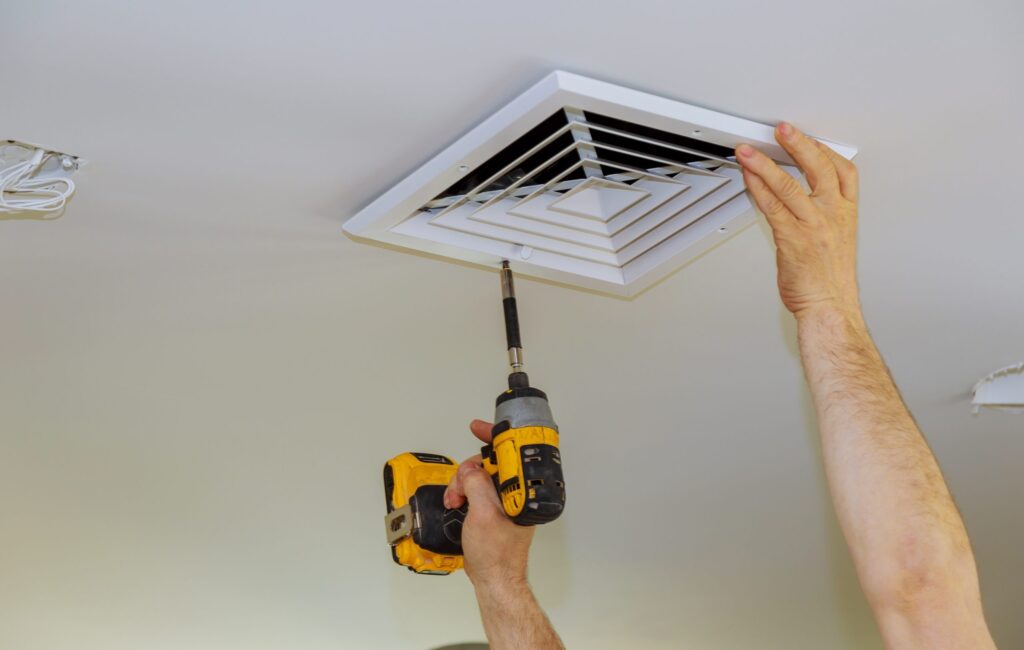
Proper ventilation is crucial in preventing mold growth in your home. Learn how to maintain good air circulation and reduce humidity levels to create a mold-free environment.
Effective Ventilation Strategies to Prevent Mold Growth
Effective Ventilation Strategies to Prevent Mold Growth
1. Proper ventilation is crucial in preventing mold growth in indoor spaces.
2. Adequate airflow helps regulate humidity levels, reducing the moisture that mold thrives on.
3. Use exhaust fans in bathrooms and kitchens to remove excess moisture from the air.
4. Open windows regularly to allow fresh air to circulate and prevent stagnant, humid conditions.
5. Consider installing a dehumidifier in areas prone to high humidity to maintain optimal moisture levels.
6. Regularly inspect and clean HVAC systems and air ducts to ensure proper airflow and prevent mold growth.
7. Implementing these ventilation strategies can significantly reduce the risk of mold infestations in your home or workplace.
Frequently Asked Questions
Why is proper ventilation important in preventing mold growth?
Proper ventilation is important in preventing mold growth because it helps to reduce humidity levels and moisture in the air, creating an environment that is less hospitable for mold spores to thrive.
How can I improve ventilation in my home to reduce the risk of mold?
One way to improve ventilation in your home and reduce the risk of mold is to install exhaust fans in bathrooms and kitchens to remove excess moisture.
What are the signs that indicate poor ventilation contributing to mold issues?
The signs that indicate poor ventilation contributing to mold issues include condensation, musty odors, visible mold growth, and high humidity levels.
Are there specific areas in a house where ventilation is particularly crucial for mold prevention?
Absolutely, areas such as bathrooms, kitchens, basements, and attics typically require proper ventilation to prevent mold growth effectively.
Can proper ventilation alone effectively solve mold problems in a building?
No, proper ventilation alone cannot effectively solve mold problems in a building. Mold growth is often caused by a combination of factors, including moisture infiltration and poor ventilation. To effectively address mold issues, a comprehensive approach that includes identifying and addressing the source of moisture, proper ventilation, as well as proper cleaning and remediation is necessary.
In conclusion, proper ventilation is crucial in preventing mold growth in homes and buildings. By ensuring good air circulation and reducing moisture levels, you can create an environment where mold struggles to thrive. Remember that consistent maintenance of ventilation systems and monitoring of indoor humidity levels are key practices for mold prevention. Stay proactive and vigilant in managing your indoor air quality to safeguard your health and property from the damaging effects of mold. Protect your space, prioritize ventilation, and keep mold at bay.
