
Discover effective strategies for addressing water damage and mold removal in your home with our comprehensive Mold Solutions Guide. Learn how to identify, prevent, and eliminate mold growth caused by water damage, safeguarding your indoor environment and health.
Effective Strategies for Water Damage and Mold Removal
Effective Strategies for Water Damage and Mold Removal
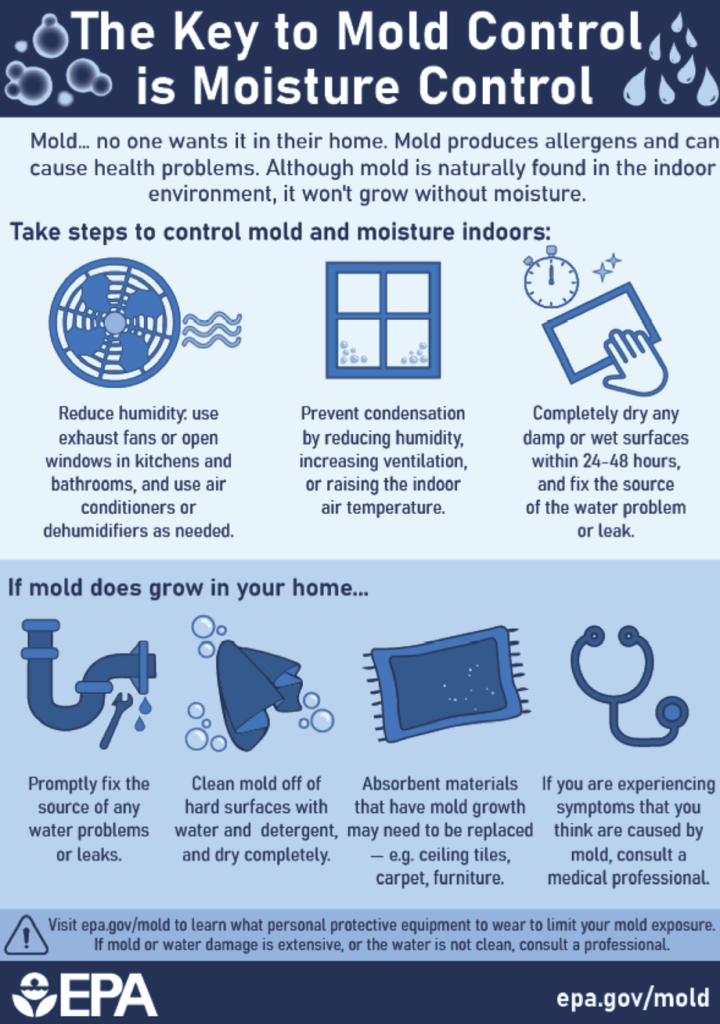
When tackling water damage and mold issues, it is crucial to implement swift action. Time is of the essence when dealing with water damage, as mold can start to grow within 24-48 hours.
Thoroughly drying the affected areas is essential in preventing mold growth. Utilize fans, dehumidifiers, and proper ventilation to ensure thorough drying.
Removing contaminated materials is another key step in effective mold removal. Dispose of porous materials that have been heavily affected by water and mold to prevent further contamination.
Cleaning and disinfecting surfaces is crucial in eliminating mold spores and preventing regrowth. Use commercial mold cleaning products or a mixture of water and detergent to clean affected areas.
Sealing porous surfaces can help prevent future mold growth. Utilize mold-resistant sealants on surfaces such as drywall to create a barrier against moisture and mold.
Regular inspections and maintenance are important to catch any water damage or mold issues early on. Conduct routine checks in high-risk areas such as basements, bathrooms, and kitchens to prevent extensive damage.
By following these effective strategies for water damage and mold removal, you can mitigate the risks associated with mold growth and ensure a safe and healthy environment in your home or property.
Frequently Asked Questions
What are the common causes of water damage that can lead to mold growth?
Common causes of water damage that can lead to mold growth include leaking pipes, roof leaks, poor ventilation, water intrusion from floods, and high humidity levels.
How can I identify if there is mold present in my home after water damage?
You can identify if there is mold present in your home after water damage by looking for visible signs of mold growth, such as discolored patches or a musty odor. It’s also important to check areas that have been affected by water damage, such as walls, ceilings, and floors, for any signs of mold. If you suspect mold growth, it’s recommended to consult with a professional mold remediation service for proper inspection and treatment.
Is it possible to remove mold on my own, or do I need professional help?
It is possible to remove mold on your own, but professional help may be recommended for extensive or severe infestations.
What are the potential health risks associated with mold exposure?
The potential health risks associated with mold exposure include respiratory problems, allergies, skin irritation, and in severe cases, toxic reactions. It can exacerbate existing conditions such as asthma. Proper mold solutions are crucial for maintaining a healthy indoor environment.
How long does the mold removal process typically take?
The mold removal process typically takes 3 to 7 days depending on the extent of the infestation and the size of the affected area.
In conclusion, addressing water damage promptly and efficiently is crucial in preventing mold growth. By following the Mold Solutions Guide and implementing proper removal techniques, you can restore your property and ensure a healthy environment for you and your loved ones. Remember, early intervention is key to mitigating the risks associated with mold proliferation. Stay proactive and prioritize the well-being of your home.
